About // Profile
About Astronomy Study Program ITB
Astronomy Study Program ITB
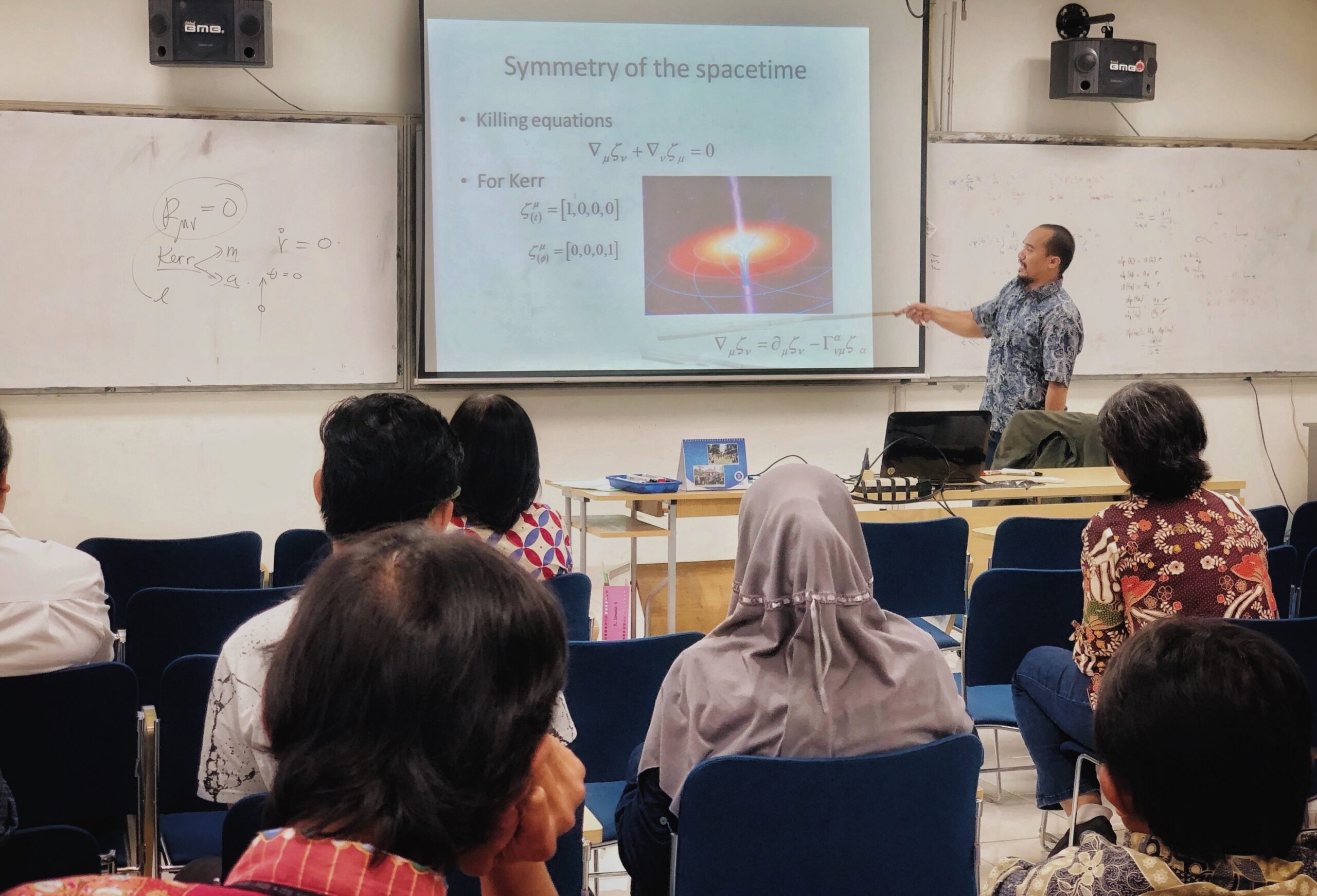
The Astronomy Study Programmes at Institut Teknologi Bandung (ITB) are part of a unique and prestigious academic programmes, the only one of its kind in Indonesia and a pioneer in Southeast Asia. While many graduates pursue careers as researchers or university lecturers, the analytical and computational skills gained (big data analysis, complex modeling) also allow alumni to enter diverse fields such as Data Science & AI, Science Communication, and Public Outreach.
The program is part of the Faculty of Mathematics and Natural Sciences (FMIPA), and is also deeply integrated with the historic yet continuously expanding Bosscha Observatory. Taking part in the international VGOS (VLBI Global Observing System) is one of the most ambitious technological leaps currently happening within Astronomy at ITB. It represents Indonesia's entry into the next generation of radio astronomy and geodetic research. As of early 2026, the project has reached several major milestones, establishing the ITB Bosscha VLBI Station as a critical node in a global network.
The study programmes offers a comprehensive pathway from undergraduate to doctoral levels. The curricula are designed to transform a passion for stars into a rigorous scientific discipline.
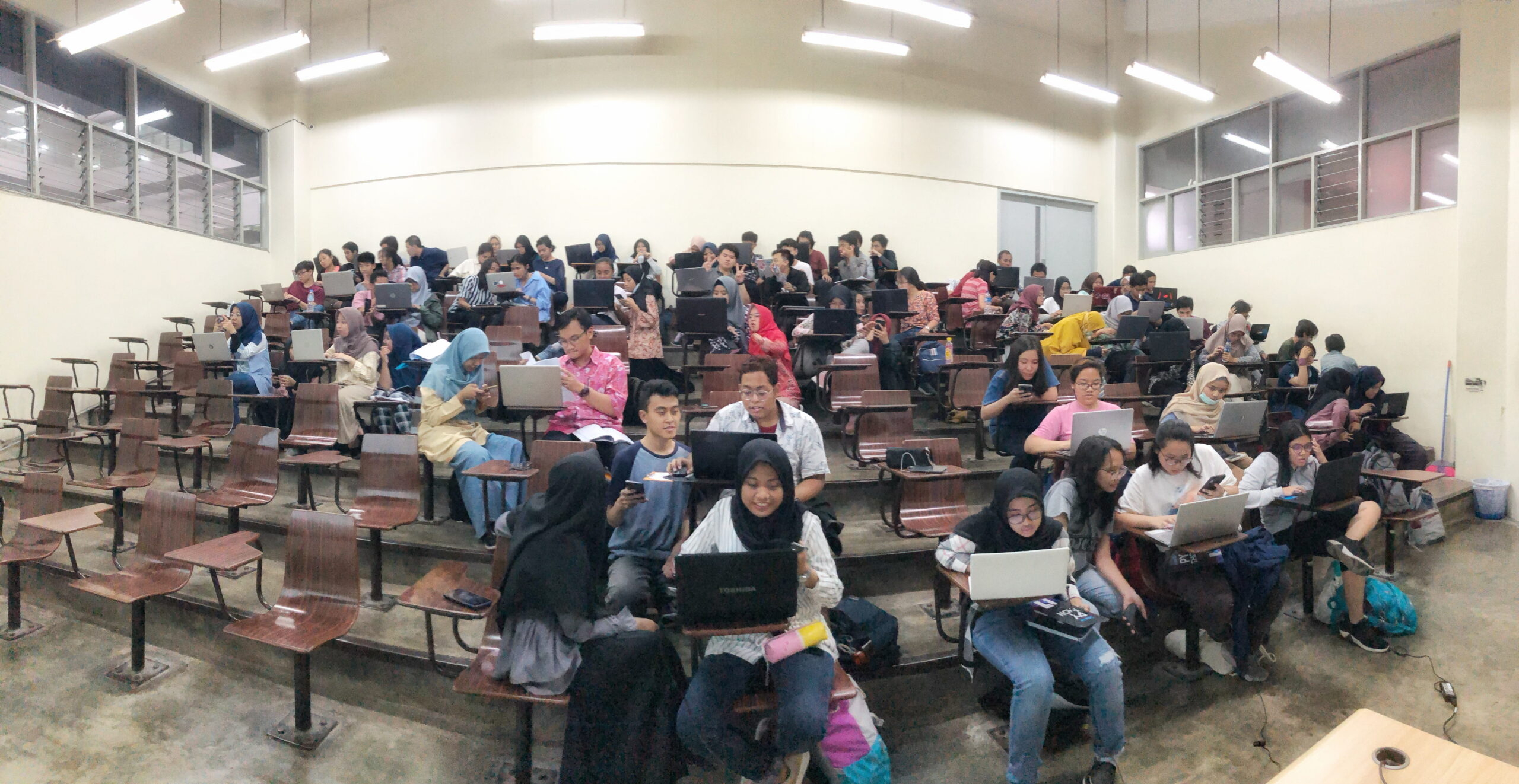
Undergraduate Programme in Astronomy
Requires a minimum of 144 credits (4 year programme, 1 credit = 45 hours per semester).
The core subjects include the Solar System, Stellar Physics, Physics of the Galaxy, as well as Introduction to Cosmology which treat fundamental knowledge such as astrophysics, positional astronomy, mechanics, electromagnetic field, hydrodynamics, statistical and quantum physics. Students are also prepared with mathematical and computational methods. With the abundance of available observational data, mastery of knowledge and skills related to big data, coding/computational thinking, statistics, and artificial intelligence is required. Astronomy is also increasingly becoming a multidisciplinary science (astrochemistry, astrobiology, radio astronomy, ethnoastronomy, archeoastronomy, astro-tourism, instrumentation). These disciplines are available as elective courses or as bachelor thesis topics.
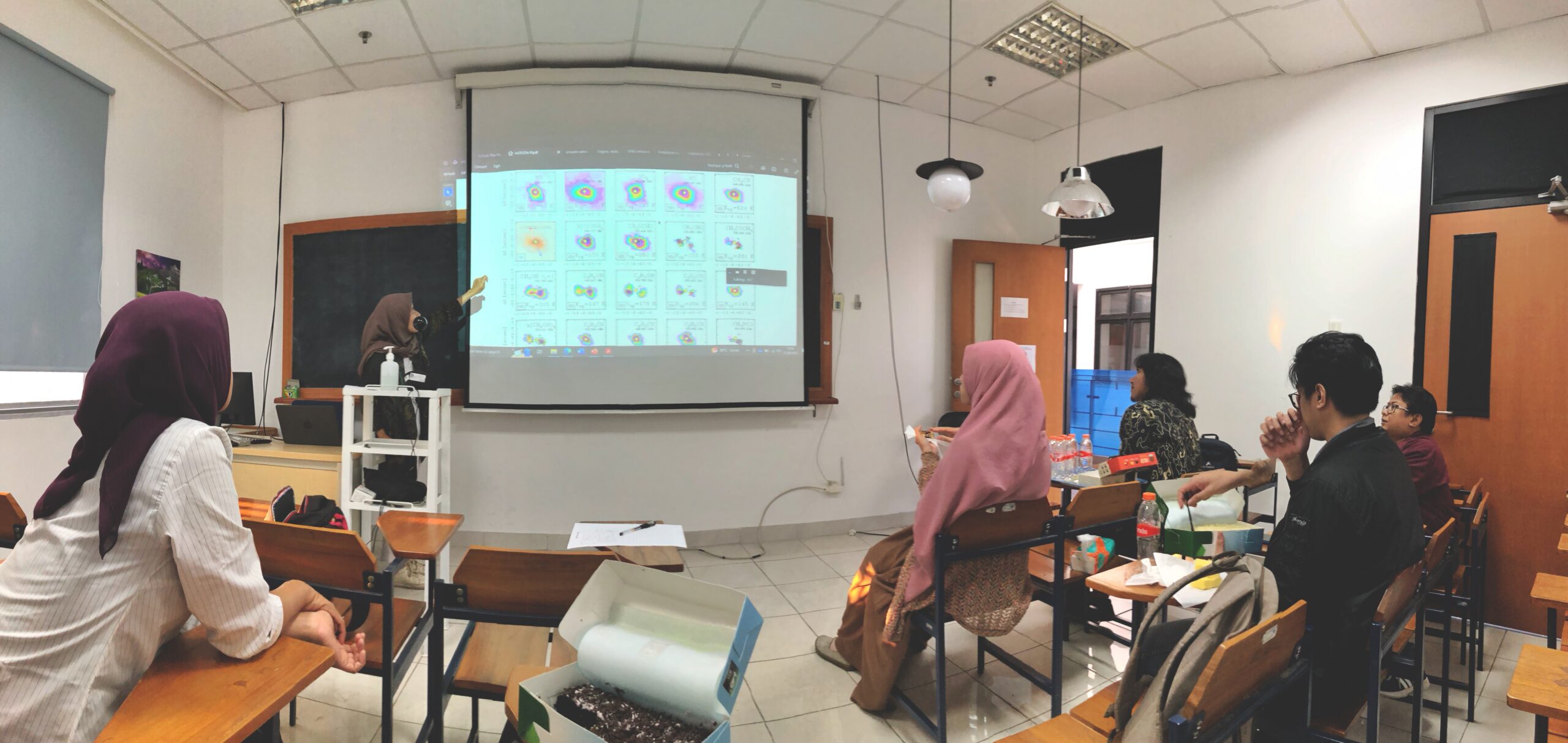
Master Programme in Astronomy
Requires a minimum of 36 credits (2 year programme, 1 credit = 45 hours per semester).
Offers specialization in Advanced Astrophysics (research-oriented) or Astronomy Development & Education.
The core subjects encompass advanced topics such as Astronomy Laboratory, Development of Astronomy, Stellar Physics, Physics of the Solar System, Physics of Galaxies, and Cosmology. Students are thoroughly prepared with advanced mathematical, statistical, and computational methods. Due to the high availability of observational data from global telescope networks and space missions, mastery of skills related to big data management, coding/computational thinking, and the responsible use of Artificial Intelligence (AI) is highly emphasized. Astronomy is also increasingly recognized as a multidisciplinary science. Therefore, knowledge and skills in disciplines like astrochemistry, astrobiology, space exploration, astronomy communication, and STEM learning are available as elective courses or master's thesis topics.
Doctoral Programme in Astronomy
Requires a minimum of 59 credits (3 year programme, 1 credit = 45 hours per semester).
Focuses on original research and significant contributions to the field.